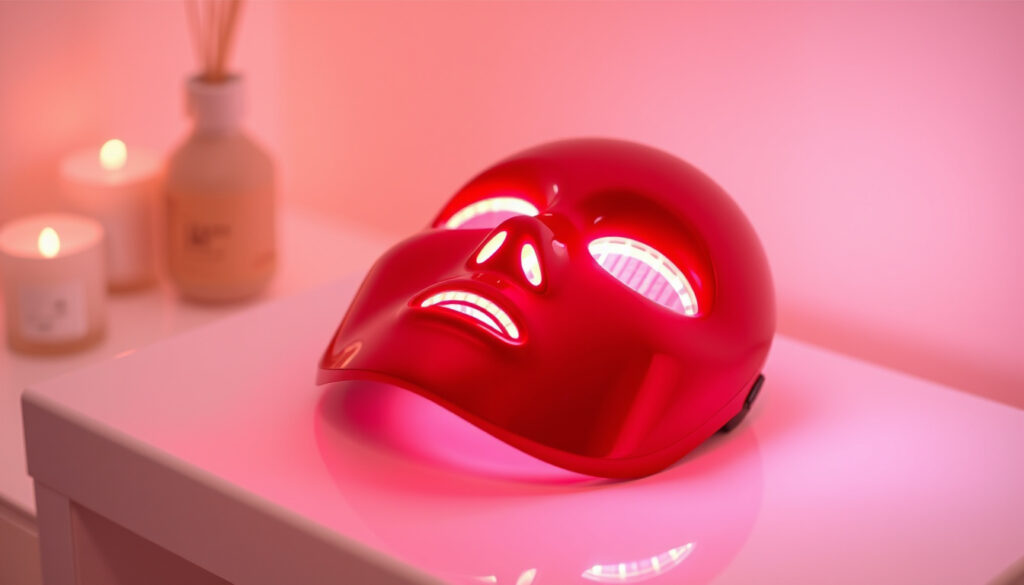
Best Red Light Therapy Mask: Top Picks & Buying Guide
You’ve seen the glowing selfies and the influencer testimonials — but do red light therapy masks actually deliver? Yes, when you pick the right one. Dermatologists consistently recommend FDA-cleared devices that combine red and near-infrared light, and top editorial picks from Forbes and The Guardian point to the Dr. Dennis Gross DRx SpectraLite FaceWare Pro and CurrentBody LED Mask as leaders.
Top Pick (Forbes): Dr. Dennis Gross DRx SpectraLite FaceWare Pro · Top Pick (The Guardian): CurrentBody LED Mask · Price Range: $200–$600 · FDA-Cleared? Most top models · Clinical Studies: Over 100 · Treatment Time: 10–20 minutes/day
Quick snapshot
- Red light therapy is FDA-cleared for skin rejuvenation and acne treatment (Derm on Demand — dermatology resource)
- Consistent use over 4–12 weeks leads to visible improvement in skin texture and tone (HealthCentral — health journalism)
- Long-term safety of daily use beyond six months
- Whether blue light wavelengths are necessary for anti-aging effects
- No major timeline changes — consistent use over 4–12 weeks still the standard
- More brands entering the market in 2025–2026, driving price competition
- Expect more combination masks (red + blue + NIR) as consumer demand grows
- Better studies on long-term efficacy and safety underway
Six product specs, one pattern: the best masks share common core features while differing in fit, price, and light combinations.
| Label | Value |
|---|---|
| FDA Clearance | Most top masks are FDA-cleared for skin rejuvenation and acne |
| Wavelengths Used | 630nm red, 830nm near-infrared (common) |
| Mask Material | Flexible silicone for better fit |
| Treatment Time | 10–20 minutes per session |
| Warranty | 1–2 years on most models |
| Price Range | $200–$600 |
Which red light therapy mask is the best?
What do top reviews say?
- Forbes recommends the Dr. Dennis Gross DRx SpectraLite FaceWare Pro as its top pick, praising its multiple light modes and ergonomic design (Forbes — business and product review).
- The Guardian calls the CurrentBody LED Mask the best-fitting and most comfortable mask tested (The Guardian — editorial review).
- Wirecutter is still testing several models including Beauty Pie, MitoGlow, and Renpho but hasn’t issued a final pick (Wirecutter — consumer product testing).
- Dermatologist-tested roundups from Women’s Health rank CurrentBody as best overall, Dr. Dennis Gross as most dermatologist-recommended, Omnilux Contour Face as best for wrinkles, and Qure as best value (Women’s Health — beauty journalism).
Top recommendations from Forbes, Wirecutter, and The Guardian
The editorial consensus splits by priority: Forbes wants versatility, The Guardian wants comfort, and Wirecutter is waiting for more data. The common thread: all three prioritize FDA clearance, a full-face fit, and at least two wavelengths.
Experts advise checking LED count, treatment time presets, and warranty length before buying (Derm on Demand — dermatology blog).
How to choose the best mask for your needs
- Define your primary concern: anti‑aging, acne, hyperpigmentation, or maintenance.
- Look for FDA-cleared devices — most top models have this status.
- Choose a mask that fits your face shape comfortably; discomfort leads to inconsistent use.
- Wavelengths: 630nm red for collagen, 830nm near‑infrared for deeper tissue, and optional 415nm blue for acne bacteria.
The “best” mask depends on your skin priority. For anti‑aging, the Dr. Dennis Gross and CurrentBody lead. For budget, Qure and Renpho offer solid entry points. There is no one-size-fits-all winner — only the mask you’ll use every day.
Which LED mask is best for hyperpigmentation?
What wavelengths target hyperpigmentation?
Red light at 630nm and near-infrared at 830nm are the most commonly studied wavelengths for pigmentation (HealthCentral — health journalism). Clinical studies show improvement in skin tone and dark spots with regular use over several weeks. Masks combining multiple wavelengths — like the Omnilux Contour Face and CurrentBody Skin — may improve results by addressing both surface and deeper layers of skin.
Top-rated masks for hyperpigmentation
- Omnilux Contour Face — frequently ranked best for wrinkles and pigmentation by dermatologists (Women’s Health — beauty journalism).
- CurrentBody Skin LED Face Mask — combines red and near‑infrared; also top overall pick (The Guardian — editorial review).
- Dr. Dennis Gross DRx SpectraLite FaceWare Pro — includes blue light option for acne, but its red + NIR modes also target pigmentation.
The pattern: masks that emit both 630nm and 830nm appear most consistently in expert recommendations for hyperpigmentation.
What face mask is best for sebaceous filaments?
How does red light therapy affect sebaceous filaments?
Red light therapy can reduce inflammation and regulate oil production, which helps refine pore appearance over time (YouTube — dermatologist video review). Blue light targets bacteria that worsen pores. Combining both wavelengths may be more effective than using one alone. Consistent use over several weeks is needed to see results — this is a gradual process, not a quick fix.
Best masks for pore refinement
- Dr. Dennis Gross SpectraLite FaceWare Pro — red + blue light combination, ideal for acne‑prone skin with filament concerns.
- LightStim for Acne — red + blue light, though it’s a handheld device, not a full mask.
- CurrentBody Skin LED Face Mask — red + NIR; some users report improved pore appearance after 6–8 weeks.
What is the downside of red light therapy?
Potential side effects and risks
- Eye protection is crucial. Most masks have built‑in shields or require goggles. Never look directly at LEDs without protection.
- Overuse can cause temporary redness or irritation. Stick to manufacturer guidelines — typically 10–20 minutes per day.
- Results vary. At‑home devices are less intense than professional treatments, so improvement is gradual and requires discipline (HealthCentral — health journalism).
- Not suitable for everyone. Individuals with photosensitivity, certain skin conditions, or who are taking photosensitizing medications should consult a doctor.
What to watch for when using LED masks
Red light is best for inflammatory acne rather than open and closed comedones (YouTube — dermatologist video review). It may decrease oil production but isn’t a standalone treatment for severe acne. Combine with other dermatologist‑recommended treatments for best results.
The biggest downside isn’t safety — it’s patience. Many users abandon their mask after two weeks because they expect immediate results. Red light therapy is a maintenance tool, not a miracle cure. You need to commit to daily sessions for at least 8–12 weeks to see meaningful change.
Upsides
- Non‑invasive and painless
- Clinically supported for collagen production and acne reduction
- Safe for most skin types when used as directed
- Convenient at‑home treatment
Downsides
- Requires consistent daily use over months
- Gradual results — not an overnight fix
- Upfront cost of $200–$600
- Eye safety precautions needed
- Not suitable for those with photosensitivity
Which LED mask does Victoria Beckham use?
Why her choice matters
Victoria Beckham’s skincare routine often sets trends. Reports link her to LED therapy, though she hasn’t confirmed a specific device. The Dr. Dennis Gross DRx SpectraLite FaceWare Pro is frequently mentioned in connection with celebrity users (Forbes — business and product review). Other high‑end masks like CurrentBody and Omnilux are also popular among celebrities and influencers.
Similar high-end masks for at-home use
- Dr. Dennis Gross DRx SpectraLite FaceWare Pro — often called the “celebrity go‑to” mask.
- Lyma Laser — reported to be used by Jennifer Aniston (though it’s a laser device, not LED).
- CurrentBody Skin LED Face Mask — widely used by beauty editors and social media influencers.
The implication: if you want the device celebrities are likely using, the Dr. Dennis Gross or CurrentBody are your safest bets. But price isn’t everything — both are backed by strong clinical evidence and editorial reviews.
What the experts say
“The Dr. Dennis Gross DRx SpectraLite FaceWare Pro is my top recommendation because its innovative design and multiple light modes make it a versatile tool for both anti‑aging and acne.”
— Forbes contributor, product review
“This is the best-fitting mask I’ve tested. If you want the brightest and most comfortable, this is it.”
— The Guardian tester, LED mask review
“We’re currently testing Beauty Pie’s The Dynamo Deep LED, the MitoGlow Red Light Therapy Mask, and the Renpho Rejuven Artemis LED Light Therapy Mask — stay tuned for our verdict.”
— Wirecutter reviewer, ongoing test
For anyone serious about at-home skin treatments, the choice is clear: invest in an FDA-cleared device from a reputable brand like CurrentBody or Dr. Dennis Gross, or risk wasting time on underpowered alternatives that won’t deliver the clinical results you’re after.
These devices utilize various wavelengths for treatments for anti-aging and acne, making them a popular choice for home skincare routines.
Frequently asked questions
How often should I use a red light therapy mask?
Most manufacturers recommend 10–20 minutes per day, 5–7 days per week. Consistency is key — skipping days slows progress.
Can I use a red light therapy mask every day?
Yes, daily use is generally safe and recommended for optimal results. However, some masks advise a rest day each week. Follow the specific device guidelines.
How long does it take to see results from a red light therapy mask?
Visible improvement in skin texture and tone typically appears after 4–12 weeks of consistent use. Some users report subtle changes earlier, but patience is essential.
Are red light therapy masks safe for all skin types?
Yes, red and near‑infrared light are generally safe for all skin types. Avoid use if you have a photosensitivity condition or are taking photosensitizing medications — consult a dermatologist first.
What is the difference between red light and near-infrared in LED masks?
Red light (typically 630nm) targets the skin surface to stimulate collagen and reduce inflammation. Near‑infrared light (830nm) penetrates deeper to support wound healing and reduce deeper inflammation. Most top masks combine both.
Can I use a red light mask if I have acne?
Yes. Red light helps calm inflammation, and blue light targets acne bacteria. Combination masks (red + blue) are often recommended for acne‑prone skin. Consistent use can improve breakouts over several weeks (HealthCentral — health journalism).
Do red light therapy masks hurt?
No. The lights are non‑thermal and painless. You may feel a slight warmth, but it should never be uncomfortable. If you feel pain or heat, stop use immediately.
Is it safe to use a red light mask while pregnant?
There is limited research on LED therapy during pregnancy. Most manufacturers advise against it as a precaution. Consult your obstetrician before using any light‑based device.
Related reading: Rosemary Oil for Hair: Benefits, How to Use, and Side Effects · Josie Maran Body Butter Review: Is It Good for Crepey Skin?
More related posts
 90 Day Fiancé Before the 90 Days – Seasons, Cast and Viewing Guide
 Detroit Lions Game Today – Offseason Update & 2025 Recap
 Halloween Movies in Order: Full Guide to All 13 Films
 Galaxy S21 Ultra to Buy – Best Deals and Prices 2025
 Boys Haircuts Long on Top: Popular Styles & Clipper Sizes
 Fruit Fly Trap: Best DIY & Commercial Guide for Canada
 Alberta Works Payment Dates 2025 – Official Schedule and Guide
 Smith School of Business – Programs, Rankings and Admissions Guide
