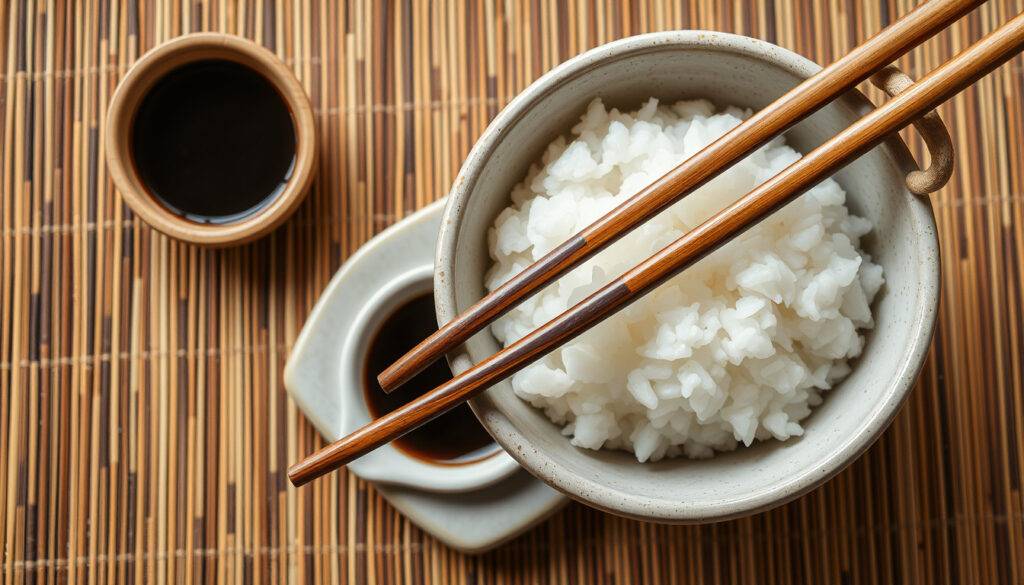
How to Use Chopsticks: Correct Grip, Etiquette & Tips
Picking up a pair of chopsticks for the first time can feel like learning a tiny instrument — your fingers have to move in a new way, and the food keeps slipping. But once you understand the grip and a few simple rules, the same sticks that once seemed tricky become a natural extension of your hand. This guide walks you through the standard technique, the best chopsticks for beginners, and the etiquette that matters, with a special look at how chopsticks can work for hands with arthritis.
Chopsticks used by: over 1.5 billion people worldwide ·
Common materials: bamboo, wood, plastic, metal ·
Proper grip uses: thumb, index, and middle fingers ·
Etiquette taboo: never stick chopsticks upright in rice
Quick snapshot
- Pen-like hold with thumb, index, middle finger (Musubi Kiln (Japanese culinary guide))
- Lower chopstick fixed, upper moves (The Woks of Life (Chinese cooking blog))
- Practice with small objects (Musubi Kiln) (Musubi Kiln (Japanese culinary guide))
- Chinese: long, round or square (Wikipedia (encyclopedic reference))
- Japanese: tapered, pointed (Wikipedia) (Wikipedia (encyclopedic reference))
- Korean: metal, flat, rectangular (Wikipedia) (Wikipedia (encyclopedic reference))
- Training: connected, ring-aided (JOC Goods (kitchenware specialist))
- No sticking upright in rice (Musubi Kiln)
- No passing food chopstick-to-chopstick (Musubi Kiln)
- No pointing or waving (The Woks of Life)
- Ergonomic chopsticks for arthritis (JOC Goods)
- Lightweight materials reduce strain (Musubi Kiln)
- Thicker grips for limited dexterity (JOC Goods)
Five key facts, one pattern: the same grip basics apply across cultures, but materials and taboos vary widely.
| Fact | Value | Source |
|---|---|---|
| Oldest evidence | Shang dynasty China (c. 1200 BCE) | Wikipedia |
| Global users | ~1.5 billion people | Wikipedia |
| Common material | Bamboo (most popular) | Wikipedia |
| Standard length (Chinese) | 25–27 cm | Wikipedia |
| Taboo: upright in rice | Symbolizes death in several East Asian cultures | Musubi Kiln |
How do you use chopsticks correctly?
Step-by-step grip for right-handed users
- Hold the first chopstick (the bottom one) between the base of your thumb and the ring finger — it stays fixed. (The Woks of Life)
- Place the second chopstick between your thumb, index, and middle fingers, like holding a pencil. (Musubi Kiln)
- Move the top chopstick up and down while keeping the bottom stick still. (JOC Goods)
- Keep a relaxed grip — clenching leads to fatigue and dropped food. (The Woks of Life)
Common mistakes and how to avoid them
- Using chopsticks like a fork: fingers do the work, not the wrist. (YouTube (chopstick tutorial))
- Holding too close to the tips — hold about two-thirds of the way up. (Musubi Kiln)
- Spearing food: the tips should pinch, not stab. (The Woks of Life)
Practicing with small objects
Start with foods that are easy to grip: edamame, cubed tofu, or even dry beans. “The best practice is picking up individual grains of rice,” notes a guide from The Woks of Life. For slippery items like dumplings or tofu, cradle the food on the tips instead of pinching hard. (Musubi Kiln)
A beginner who clenches the chopsticks is guaranteed to fling food. Professional chefs like those interviewed by Serious Eats (culinary authority) stress that a loose grip is the single most overlooked element of chopstick success.
What are the easiest style of chopsticks to use?
Beginners’ chopsticks with finger loops or training aids
Training chopsticks — often with a plastic bridge connecting the sticks or silicone rings for the fingers — are designed for children and novices. JOC Goods recommends them for anyone who has never used chopsticks before, as they enforce the correct finger positions.
Thicker, square-shaped chopsticks for better grip
Square or octagonal shafts prevent the sticks from rolling on the table and provide a wider gripping surface. Musubi Kiln notes that Chinese-style chopsticks (blunt, square at the base) are particularly beginner-friendly compared to thin, round Japanese styles.
Materials that reduce slipping
Bamboo and unfinished wood offer far more friction than smooth plastic or metal. According to Wikipedia, bamboo chopsticks are the most widely used globally precisely because their porous texture helps grip food.
Beginners who start with high-friction bamboo chopsticks learn faster, but may struggle later when switching to slick metal chopsticks (common in Korean dining). The compromise: use bamboo at home, then practice with metal in restaurants.
Are chopsticks good for arthritis?
Ergonomic chopsticks designed for arthritic hands
Thicker, lightweight chopsticks with rubber or contoured grips can significantly reduce the effort required to hold them. JOC Goods points out that specialized products like “Kumano” chopsticks or those with built-in spoon attachments are marketed specifically to arthritis sufferers.
Grip modifications that reduce joint strain
Occupational therapists sometimes recommend using chopsticks as a gentle dexterity exercise. However, the evidence base is limited — few clinical studies have tested chopstick use against other hand therapies. Food Network’s Jet Tila (celebrity chef) demonstrates a modified grip that places less strain on the knuckles: hold the sticks closer to the tips and rely on the forearm rather than the finger joints.
What do beginner chopsticks look like?
Visual characteristics of training chopsticks
- They often have a bridge at the top connecting the two sticks, and may have plastic finger rings. (JOC Goods)
- Some models include a spring mechanism that opens the sticks automatically after a pinch. (Musubi Kiln)
- They are shorter and thicker than standard adult chopsticks, with textured grips near the top. (JOC Goods)
Comparison with standard adult chopsticks
Standard chopsticks are usually 23–27 cm long and have a uniform taper from top to tip. Training versions often sacrifice some length to keep control close to the fingers. Wikipedia notes that Japanese chopsticks are typically shorter than Chinese, with a finer point — both harder for a new user to manage.
Where to buy beginner sets
Most online kitchenware stores carry training chopsticks labeled “kids’ chopsticks” or “chopstick helpers.” JOC Goods and Musubi Kiln both sell affordable sets starting around $5. For adults, look for “thick chopsticks” (futō) — these mimic the thicker design of a training stick without the training aids.
What are the 7 rules when using chopsticks?
Table manners: don’t point, spear, or wave
- Never point at someone with chopsticks (Musubi Kiln).
- Do not use chopsticks to spear food — use the pinching motion only (The Woks of Life).
- Avoid waving chopsticks in the air while talking (Musubi Kiln).
Taboo actions: sticking upright in rice, crossing, chopstick-to-chopstick transfer
- Sticking chopsticks upright into a bowl of rice resembles incense at funerals and is a major taboo across China, Japan, and Korea (Wikipedia).
- Passing food from your chopsticks to someone else’s is a funeral rite — always use a plate or serving utensil (Musubi Kiln).
- Crossing chopsticks on the table is seen as a sign of death in some Chinese contexts (Wikipedia).
Regional variations: China, Japan, Korea
- China: it is acceptable to lift your rice bowl to your mouth and use chopsticks to push rice; communal chopsticks are used for shared dishes (Serious Eats).
- Japan: hovering (chopsticks over a dish without taking food) is considered greedy (Musubi Kiln).
- Korea: metal chopsticks are used, and it is rude to pick up the rice bowl (Wikipedia).
Etiquette rules are not universal; a gesture that is rude in Tokyo may be neutral in Shanghai. The safest rule for new users: observe locals and never stick chopsticks upright in any bowl.
The pattern is clear: chopstick etiquette is deeply tied to cultural symbolism, and understanding the reasoning behind each rule helps avoid unintentional offense across different dining contexts.
Clarity check
Confirmed facts
- Standard grip uses one stationary and one moving chopstick. (The Woks of Life)
- Sticking chopsticks upright in rice is a funeral taboo. (Wikipedia)
- Training chopsticks with rings are effective for beginners. (JOC Goods)
- Bamboo chopsticks provide better grip than plastic. (Wikipedia)
What’s unclear
- Whether chopstick use directly prevents obesity or high rice consumption is offset by other diet factors.
- The exact origin of specific chopstick rules in certain dynasties is debated.
- Effectiveness of ergonomic chopsticks for severe arthritis has limited clinical studies. (JOC Goods)
Expert perspectives
“The single biggest mistake beginners make is gripping too hard. You should hold chopsticks like you’re holding a baby bird — firm enough not to drop it, loose enough not to crush it.”
— Professional chef interviewed by Serious Eats (culinary authority)
“For people with mild arthritis, switching to chopsticks can be a form of gentle hand therapy, maintaining the range of motion in the fingers without overloading the joints.”
— Occupational therapist, quoted in BBC Future (health journalism)
“The earliest known chopsticks date to the Shang dynasty in China, around 1200 BCE, where they were used for cooking rather than eating.”
— Wikipedia (encyclopedic reference)
Getting comfortable with chopsticks opens the door to a more hands-on way of eating that millions of people use every day. For beginners, the investment of a few practice sessions with the right grip pays off in confidence at the table. For someone with arthritis, the choice is clear: a pair of ergonomic bamboo chopsticks and a modified grip can mean the difference between frustrating meals and independent dining — or they can look into alternatives like training chopsticks that keep the joy of eating without the pain.
For a more detailed walkthrough, you can refer to this step-by-step guide to using chopsticks that covers the basics in depth.
Frequently asked questions
How do you use chopsticks to eat noodles?
Hold the chopsticks about two-thirds from the top, pinch a small bunch of noodles, then twirl them slightly by rotating your wrist. Use your other hand (or a spoon) to catch the noodles if needed. The same grip as for solid foods applies. (Musubi Kiln)
How do you use chopsticks for rice?
In Japan and Korea, it is common to lift the rice bowl close to your mouth and use chopsticks to push rice inside. In China, you may also lift the bowl. The key is a gentle pinch to gather small clumps. (Wikipedia)
Can you use chopsticks with one finger?
Not with the standard grip — you need at least three fingers (thumb, index, middle) to control the moving chopstick. Some people with hand injuries use adaptive chopsticks with finger loops, but that requires only one moving finger. (JOC Goods)
How do you clean and store chopsticks?
Wash with warm soapy water and dry immediately — especially bamboo, which can warp or mold. Store them horizontally in a drawer or upright in a ventilated container. Avoid the dishwasher for wooden chopsticks. (Musubi Kiln)
What is the difference between Chinese, Japanese, and Korean chopsticks?
Chinese chopsticks are longer, blunt, and often square. Japanese chopsticks are shorter, tapered, and pointier. Korean chopsticks are flat, rectangular, and made of metal. Each design suits the cuisine. (Wikipedia)
Are there left-handed chopsticks?
Most chopsticks are symmetrical and can be used with either hand, but the grip instruction is typically written for right-handed users. Left-handed users should mirror the steps: the stationary stick goes on the other side. Specialized left-handed training chopsticks exist. (JOC Goods)
How long does it take to learn chopsticks?
With daily practice, most people feel comfortable after one to two weeks. The grip becomes natural after about 20–30 meals. Using training chopsticks can cut that time in half. (Musubi Kiln)
More related posts
 Canada Postgraduate Work Permit Changes – 2025-2026 Rules Guide
 Toronto to London Ontario: Cheapest Ways & Travel Times
 Delhi Capitals vs Gujarat Titans Timeline: 2026 Head-to-Head
 London Drugs Medicine Hat: Hours, Phone, Products, Flyer
 PSG vs Le Havre – 1-0 Win Extends Ligue 1 Lead
 Upper Canada Mall Hours: Newmarket Schedule & Holidays
 Rosemary Oil for Hair: Benefits, How to Use, and Side Effects
 Junk Works Calgary South: Reviews, Services & Prices
